

There are two things Canadians are typically most curious about when it comes to credit scores: the first is how they work, and the second is why they matter. The reality is that the concept of credit scores isn’t overly complicated, but they have a big impact on how easy it is for you to apply for a loan, find a place to live, and access products and services. If you haven’t paid much mind to your credit score nor thought to improve your score, there’s no better time to start than the present.
That simple three-digit number can tell a provider or company a lot about your financial health and responsibility and make the difference between having to jump over financial hurdles and seize better financial opportunities.
What’s the Average Canadian Credit Score in 2024?
Before we reveal what the average credit score in Canada is in 2024, let’s talk a little bit about what a credit score is.
Canadian credit scores range between 300 and 900, and they’re used as a quick and easy way for lenders, landlords, and employers to figure out how likely you are to pay your bills and loans and your general riskiness. For example, if they see that your score is 800, they’ll instantly know that you’re financially reliable. If your score is on the lower side at 450, they might have concerns and turn you away – it’s that simple.
TransUnion, a reputable credit reporting union, classifies 650 as the middle of the pack and states that it’s the average score for Canadians. Although we don’t have exact data for 2024, it’s worth noting that credit scores differ based on age, province, and debt levels, so there isn’t a number set in stone.
What’s Considered a Good Credit Score in Canada?
Source: Pixabay
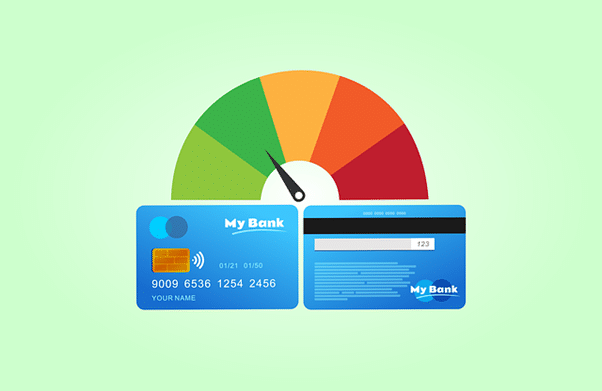
According to TransUnion, a “good” credit score is considered any score between 743 and 789. While these numbers can fluctuate depending on the individual model, they’re generally quite similar. The parameters are all defined by a classification and a range:
Poor: 300 – 692
Fair: 693 – 742
Good: 743 – 789
Very Good: 790 – 832
Excellent: 833+
If you happen to fall into the “poor” category, it likely means you’ve had happenings in the past that have damaged your credit. These might include high credit card balances, late payments, applying for loans, hard inquiries, and other similar factors. Climb up the credit score ladder and get into the excellent tier, and it’s likely that you won’t have issues getting approved for loans or worry about missing financial opportunities.
Consideration: Province
The province you reside in will also have its own average credit score since there are differences when it comes to cost of living, housing prices, and job opportunities. From past data, it seems that Ontario and British Columbia top the list. Markham outdid all the cities with an average score of 720, while the city of Vancouver came in at a close second with a score of 705. Moncton, New Brunswick, ended up at the bottom of all the cities included, with an average of 640.
Consideration: Average Debt
As mentioned, the differences in economic conditions in a province can affect the average credit score. In simple terms, the higher the debt, the lower the credit score. With large amounts of debt to deal with, these individuals might have high credit utilization, late payments, and a potentially low income that can’t keep up. Applying for new credit accounts or loans can also overextend a person financially, leading to a deteriorating credit score from all the hard inquiries.
Consideration: Age
When it comes to credit scores, age matters. Typically, the older you are, the higher your credit score. This is because payment history and the length of time you’ve had credit for are two incredibly important factors in determining your score. Credit age typically accounts for about 15% of your score, and having decades more time to develop that is certainly an advantage. Of course, age isn’t the only factor, which means there are plenty of 25-year-olds who have better credit than the older population.
How Are Canadian Credit Scores Calculated?

Source: Unsplash
A total credit score hinges on a handful of factors, some carrying more weight than others. But although you want to keep your score at a good range, it’s normal for it to fluctuate a little.
Factor: Payment History (35%)
The largest determinant of a credit score is your record of payments. Were you always on-time with credit card payments and installments, or are you historically late and unreliable with them? Whether it’s your mortgage or loan, making sure you make payments on time and over time will show that you’re responsible and boost your credit score.
Factor: Credit Age (15%)
This factor is all about how long you’ve had your credit accounts for. As you can’t fast-forward time, credit age isn’t a factor you can directly influence, unlike making on-time payments. However, it is an inherent benefit of building your credit earlier. So, if you haven’t opened a credit account yet – do so ASAP.
Factor: Credit Inquiries (~10%)
While soft inquiries won’t affect your credit score (checking your own score, companies doing a background check), hard inquiries are those you have to be careful of. Hard inquiries happen if you’re applying for new credit, such as anything like a loan, credit card, or mortgage, and when they happen often within a short period of time, they can cause a small drop in your credit score. If you need to perform an inquiry, there’s no going around it, but this is still a nice-to-know factor.
Factor: Credit Utilization Ratio (30%)
How much you use your credit can also affect your score. When we talk about ratio, we’re looking at how much of your credit you’re using versus how much you have. If you’ve got a credit card with a $3000 limit and spend $1500 on your card, that counts as using 50% of your available credit. That’s why it’s important to keep that ratio under the recommended ratio of 30% so you don’t look like you’re relying on borrowed funds.
Factor: Types of Credit Accounts (~10%)
Credit scores love variety. The more, the better, so having lines of credit, credit cards, installment loans, a mortgage, and even retail accounts can all add to a healthy mix of credit products. When you have various forms of credit, you’re essentially showing that you can handle and manage multiple credit options responsibly.
How Do You Check Your Credit Score?
Many banks and financial providers have a built-in credit checker on their online platforms that lets you monitor your credit score without making a hard inquiry. These usually refresh quarterly, so you can get a general idea of your standing every few months. If your provider doesn’t have that option, there are plenty of free and reputable credit report websites like Equifax, ClearScore, Equifax, and Credit Karma, that keep a close watch on your numbers. These checkers may also show you the average credit score in Canada, so you can benchmark your own score and set the right financial goals. Wherever you choose to check your credit score, make sure you review it regularly, as it will instantly tell you how your financial health is and whether you need to make any improvements. That way, you’ll nip any issues in the bud before your credit score starts to dwindle.
Take Control of Your Credit Score
While it’s true that some aspects of credit are out of your control, taking stock of the ones that are in your control will help you see higher numbers and greener scores throughout your life. Actively making an effort to make timely payments, playing it smart with your credit utilization, and going for a diverse mix of credit products are bound to result in a healthier credit profile.
With a better credit score, financial growth becomes a much easier feat, letting you access perks like favourable loan terms and lower interest rates so you can reach those major life goals. LendForAll can match you with an ideal range of loan solutions, no matter your credit score. Our goal? To help you explore your options and get you on the path to better financial health. Apply today and find several pre-approvals in seconds!

- What Counts as Bad Credit in Saskatchewan? (Score Ranges Lenders Use) - September 23, 2026
- Bad Credit Loans in Manitoba: A Provincial Guide - September 23, 2026
- Same-Day Loans in Canada: When Same-Day Actually Means Same-Day - September 23, 2026